Tips for Driving in Poland and Road Safety
Master Poland’s comprehensive traffic rules, sophisticated toll systems, and essential driving protocols to ensure a safe and comfortable vehicle rental experience throughout the country. From navigating Warsaw’s bustling streets to exploring scenic mountain passes, our expert guidance covers everything you need to know.
Understanding Polish Traffic Laws and Regulations
Poland has well-established traffic regulations designed to ensure road safety for all drivers. As a visitor renting a car, understanding these laws is crucial to avoiding fines and potential legal complications. Polish traffic enforcement is strict, with police actively monitoring compliance on highways and city roads.
Key Traffic Regulations:
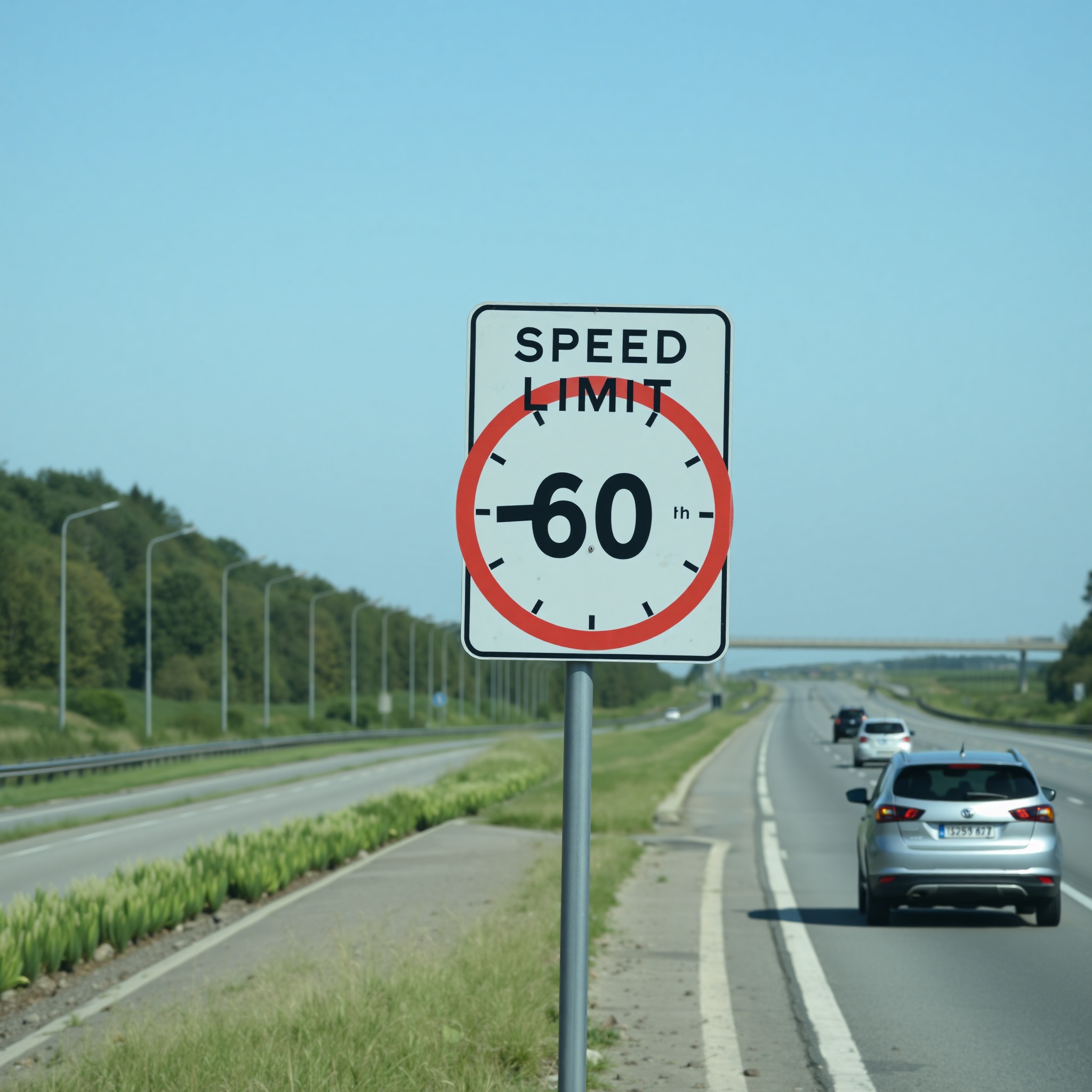
- Speed Limits: 50 km/h in urban areas, 90 km/h on regional roads, and 130 km/h on motorways. These limits are strictly enforced with radar cameras.
- Blood Alcohol Limit: Poland has a zero-tolerance policy. Driving with any amount of alcohol in your system is illegal and will result in severe penalties.
- Seatbelt Requirements: All passengers must wear seatbelts. Children must use appropriate child safety seats based on their age and weight.
- Headlight Usage: Dipped headlights must be used during the day from November to February, and whenever visibility is reduced.
- Mobile Phone Laws: Using a handheld phone while driving is strictly prohibited. Hands-free devices are allowed but discouraged while driving.
Violating these regulations can result in substantial fines ranging from 50 to 500 PLN (approximately 12 to 125 EUR), depending on the offense. More serious violations may result in temporary license suspension or legal action.
Navigating Poland’s Toll System and Payment Options
Poland operates a modern electronic toll system for motorways and expressways. Understanding how to pay tolls correctly will save you time and prevent unnecessary penalties during your car rental journey.
Important Toll Information
Most major motorways (A1, A2, A4) in Poland use an electronic toll collection system called Elektroniczny Pobór Opłat (EPO). Unlike some European countries, Poland does not use traditional toll booths on most highways.
Payment Methods:
- Viabill System: A prepaid card system where you purchase a toll card (viaBill) before driving. Available at petrol stations and online. Valid for a set period or mileage.
- Automatic Electronic Collection: Some rental companies equip vehicles with electronic devices that automatically deduct tolls from your account.
- Online Payment: You can pay tolls online after your journey using your vehicle registration number and passport details.
- Petrol Station Purchase: Purchase toll tickets directly at service stations along the motorway.
Failing to pay tolls results in automatic fines of 300-600 PLN. It’s essential to confirm with your rental company which payment method is set up for your vehicle and ensure you settle any tolls before returning the car.
Motorway Sections Requiring Tolls:
- A1 Motorway: Gdańsk to Łódź section
- A2 Motorway: Most sections including Warsaw to Berlin route
- A4 Motorway: Wrocław to Kraków sections
- Most expressways (S-roads) also require tolls
Essential Driving Tips for Poland’s Roads
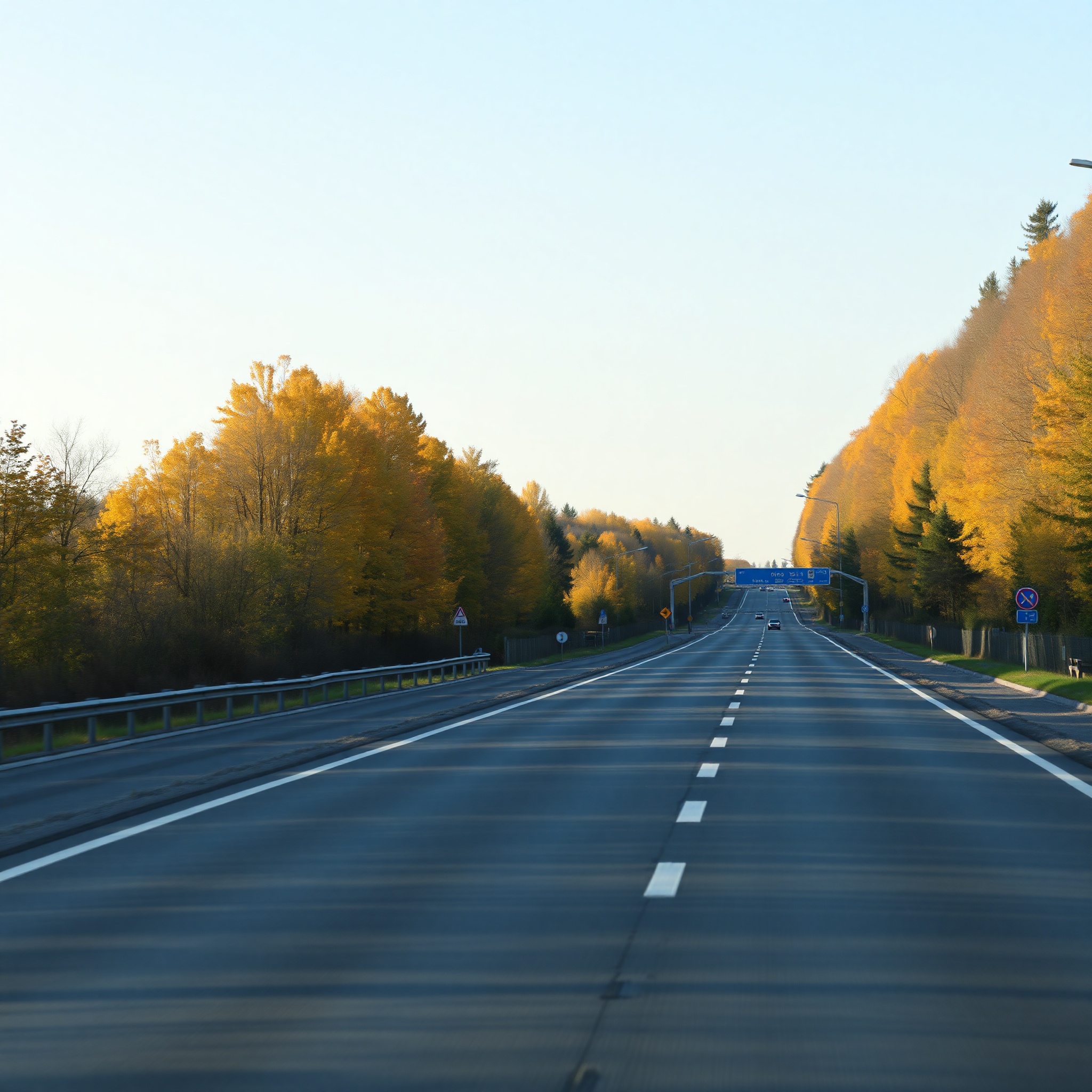
Polish roads vary significantly in quality and driving conditions. Success requires adaptation to local driving habits, seasonal challenges, and specific road conditions. Here are practical tips to enhance your safety and driving experience.
Weather Adaptation
Winter driving in Poland (November-March) requires special attention. Snow, ice, and slippery conditions are common. Use winter tires (mandatory from December 1 to March 31), reduce speed, and maintain larger following distances.
Road Quality Variation
Motorways are well-maintained, but regional roads can be challenging with potholes and uneven surfaces. Drive cautiously on smaller roads, especially in rural areas. Always watch for sudden obstacles.
Local Driving Habits
Polish drivers are generally assertive and may drive at high speeds. Don’t be intimidated by aggressive tailgating or passing. Maintain your speed, stay in the right lane, and let faster vehicles pass safely.
Wildlife Awareness
Especially in forested regions, watch for wild animals on roads, particularly during dawn and dusk. Collisions with deer or boar are possible. Reduce speed in areas with warning signs for wildlife.
Additional Safety Precautions:
- Always carry required documents: driver’s license, passport, vehicle registration, insurance papers, and rental agreement
- Keep an emergency kit including a reflective vest, warning triangles, and first aid supplies
- Inform someone of your travel route and expected arrival time
- Avoid driving at night on unfamiliar roads, especially in rural areas
- Use GPS navigation to stay oriented, but program routes before driving
Parking Regulations and Compliance
Parking in Poland, particularly in cities like Warsaw, Kraków, and Wrocław, requires understanding local regulations. Improper parking can result in significant fines and vehicle impounding.
Understanding Parking Zones:
- White Lines: Free parking, but check time restrictions. Usually limited to 2-4 hours during business hours.
- Blue Lines: Paid parking zones requiring ticket purchase. Rates typically range from 2-5 PLN per hour.
- Red Lines: No parking zone. Vehicles are subject to removal and fines of 200-500 PLN.
- Disabled Spaces: Reserved for vehicles with disability permits. Parking without authorization results in 500+ PLN fines.
Purchase parking tickets from machines or via mobile apps like Parkwings, mParkingWawa (Warsaw), or city-specific applications. Always display your ticket on the dashboard.
Safe Parking Practices:
- Park in designated lots or well-lit areas whenever possible, especially at night
- Never leave valuables visible in the vehicle
- Lock all doors and windows, and engage the alarm system if available
- Avoid parking in isolated areas or neighborhoods unfamiliar to you
- Use paid parking facilities in city centers for added security
Parking Fines and Penalties
Parking violations in Poland result in substantial fines: improper parking (100-200 PLN), no parking zones (200-500 PLN), and disabled space violations (500+ PLN). As a rental customer, these fines are typically passed to you by the rental company plus administrative fees.
Explore More Car Rental Resources